

High Pressure Vs Soft Wash: Best Method For Central Coast Surfaces
Keeping exterior surfaces clean is an important part of property maintenance on the Central Coast. With coastal moisture, salt in the air and frequent mould growth, driveways, roofs, walls and outdoor areas can deteriorate quickly if not cleaned correctly. One of the most common questions property owners ask is whether high pressure cleaning or soft washing is the better option. Understanding the difference between these two methods helps homeowners choose the safest and most effective approach for their surfaces. When done properly, professional pressure cleaning on the Central Coast not only improve appearance but also protect surfaces from long-term damage.
Why Cleaning Methods Matter on the Central Coast
Local environmental conditions play a major role in how dirt, mould and algae build up. High humidity encourages organic growth, while salt exposure can weaken surfaces over time. Using the wrong cleaning method can cause unnecessary wear, leading to premature repairs or replacement. The right approach depends on:
- The type of surface being cleaned
- The level of contamination
- The age and condition of the material
- Exposure to sun, salt and moisture
Choosing the correct method is about balancing effectiveness with surface protection.
What Is High Pressure Cleaning?
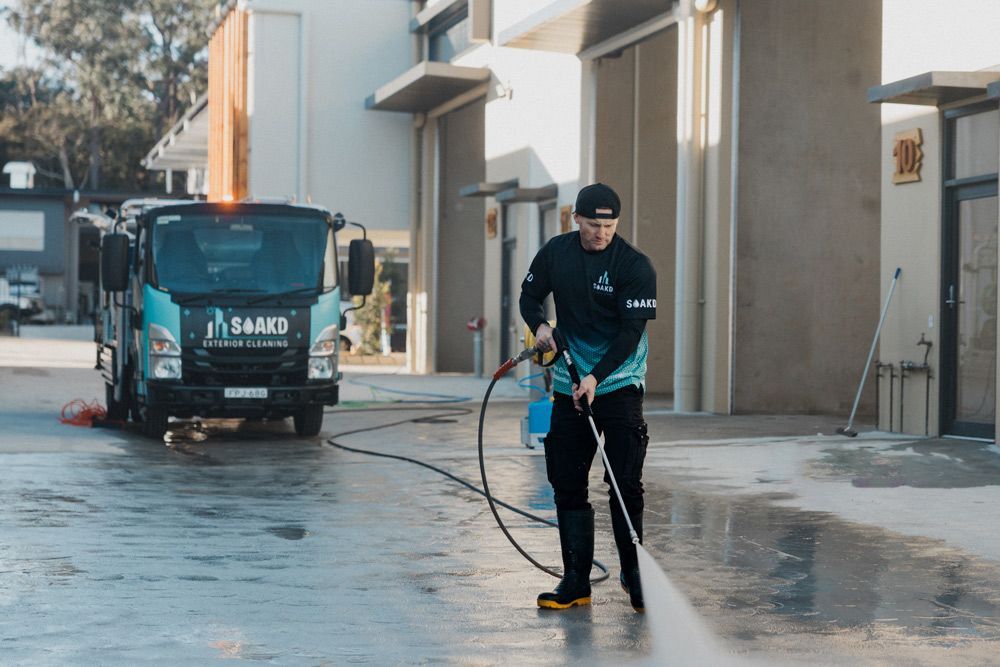
High pressure cleaning uses powerful water pressure to remove dirt, grime, moss and stains from hard surfaces. It is highly effective for durable materials that can withstand force without damage. High pressure cleaning works by:
- Physically blasting away built-up debris
- Removing surface-level stains quickly
- Restoring heavily soiled hard areas
This method is often chosen for surfaces where deep cleaning is required and the material is structurally strong.
Surfaces Best Suited to High Pressure Cleaning
High pressure cleaning is ideal for tough, non-porous surfaces that can handle force without deterioration. Common examples include:
- Concrete driveways and paths
- Paving and brickwork
- Garage floors
- Hard outdoor entertaining areas
When applied correctly, high pressure cleaning can dramatically improve the appearance of these surfaces. However, incorrect pressure levels or technique can still cause damage, which is why professional control is important.
Risks of Incorrect High Pressure Cleaning
While effective, high pressure cleaning can cause issues if misused. Excessive pressure can erode surfaces, strip protective coatings or force water into cracks. Potential risks include:
- Etching or pitting of concrete
- Damage to mortar or grout
- Water intrusion into building materials
- Accelerated wear of older surfaces
This is why relying on trained professionals rather than DIY equipment is essential, especially in coastal environments.
What Is Soft Washing?
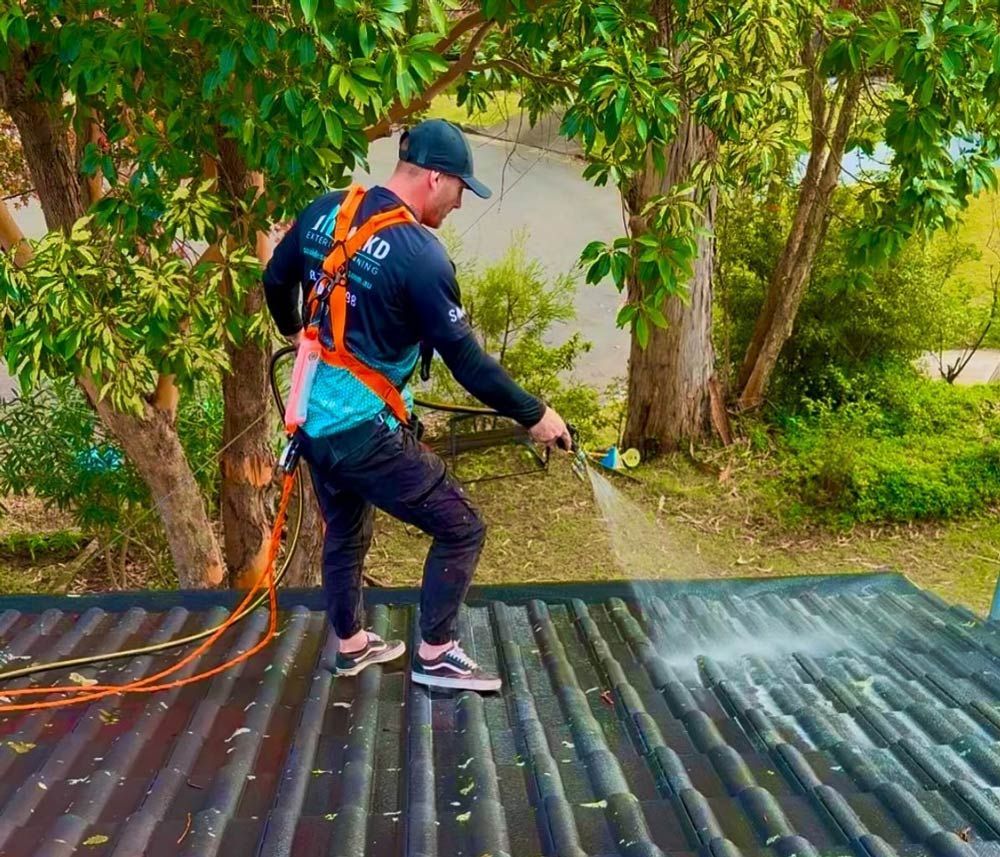
Soft washing is a low-pressure cleaning method that uses specialised cleaning solutions to break down mould, algae, mildew and bacteria. Instead of relying on force, soft washing treats the root cause of organic growth. Soft washing works by:
- Killing mould and spores rather than just removing surface stains
- Gently cleaning delicate materials
- Providing longer-lasting results for organic contamination
This method is particularly effective in humid coastal areas where mould and algae return quickly.
Surfaces Best Suited to Soft Washing
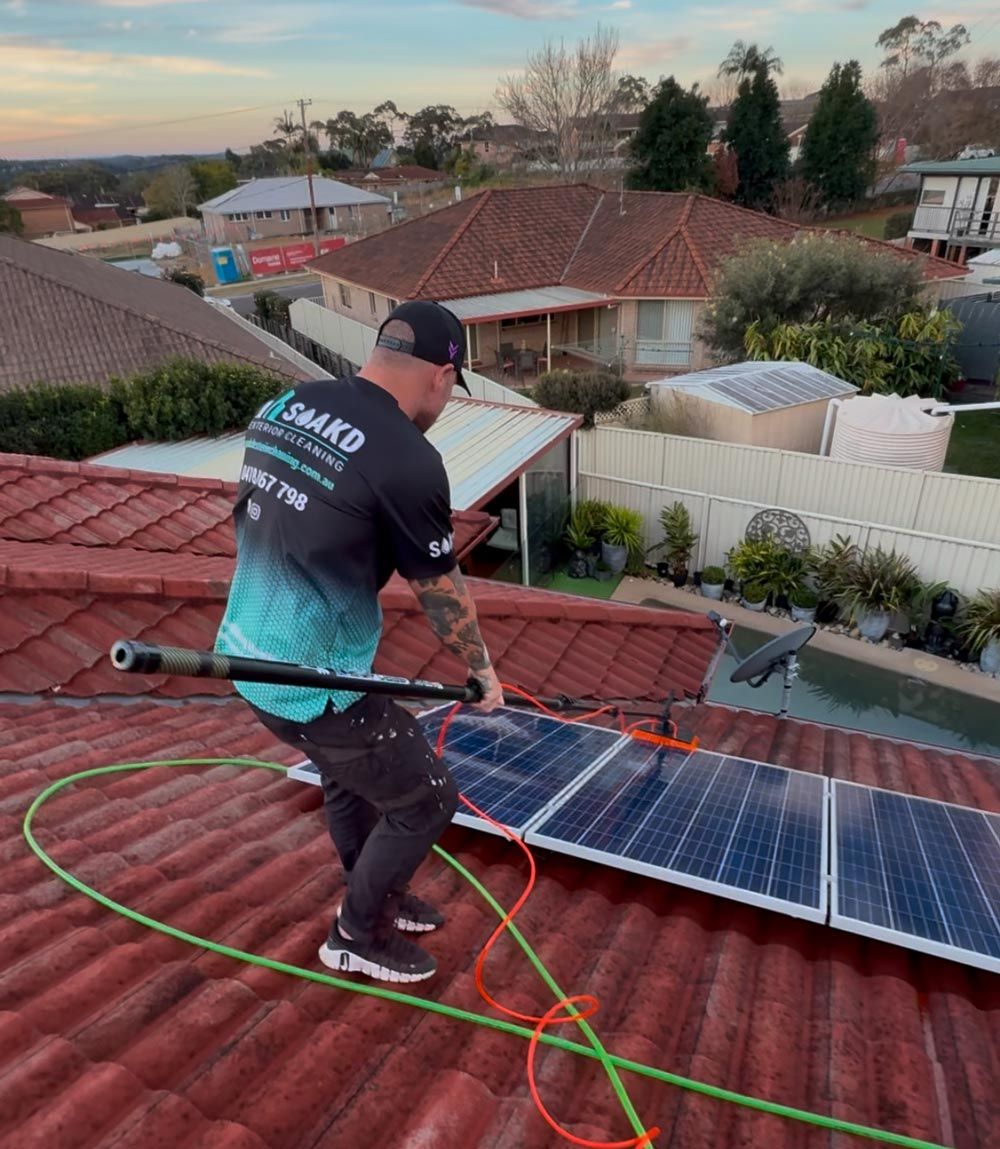
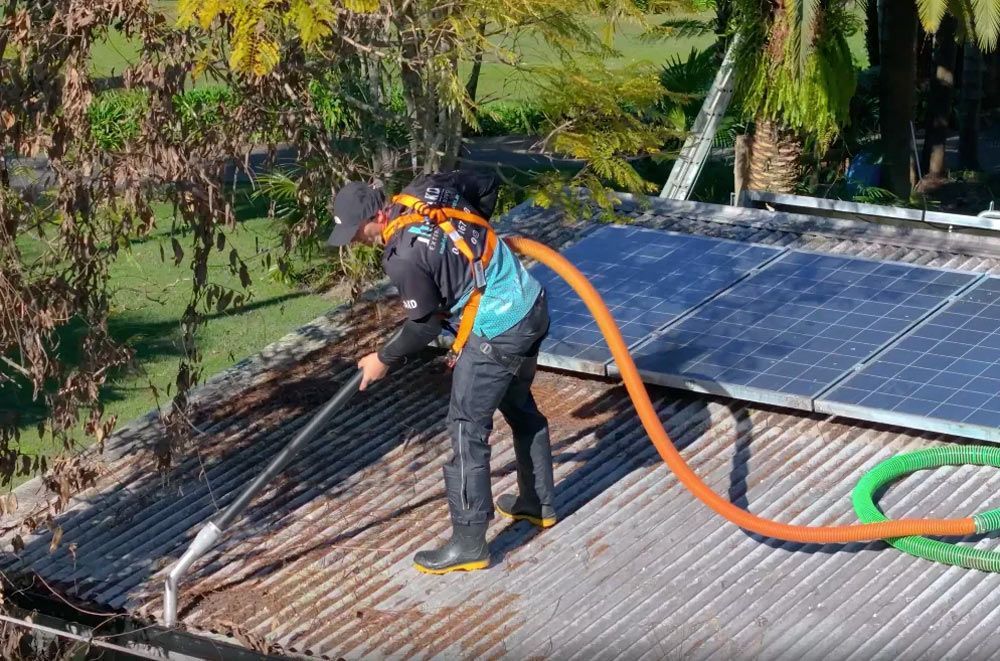
Soft washing is the preferred option for surfaces that could be damaged by high pressure. These include:
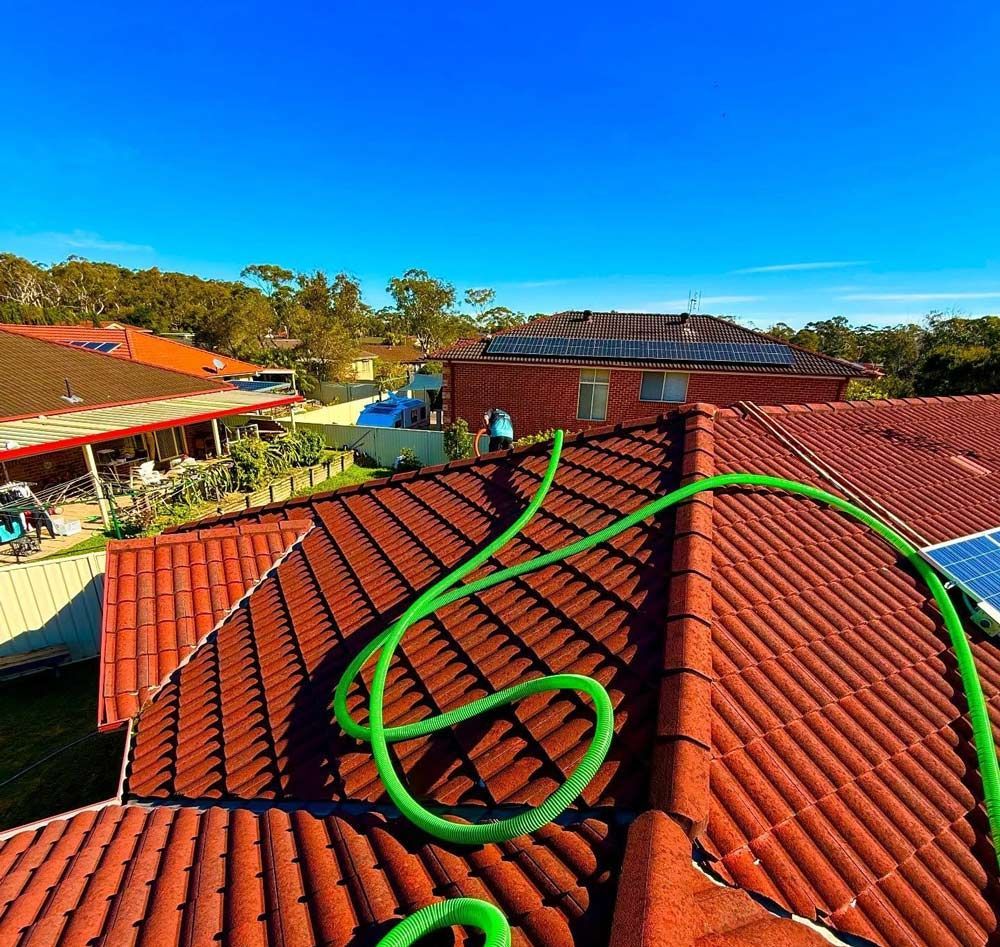
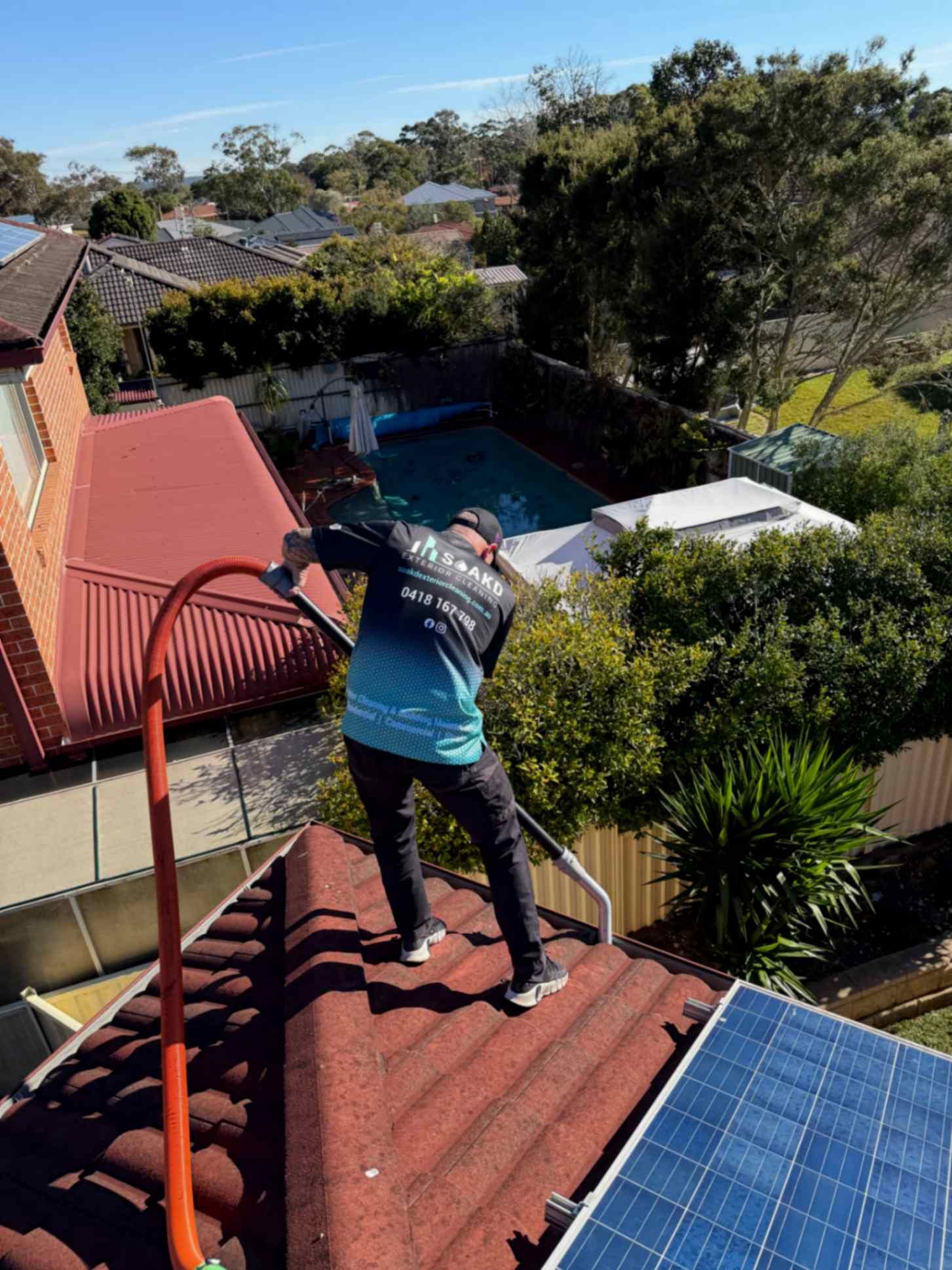
- Roofs (tile, metal or Colorbond)
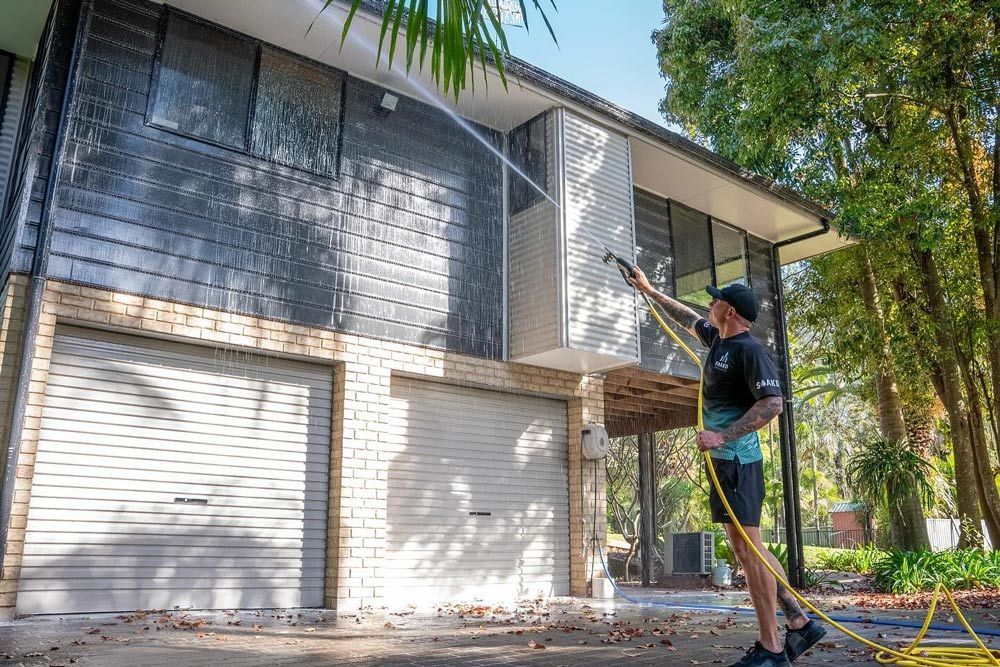
- House exteriors and rendered walls
- Weatherboards
- Fencing
- Outdoor furniture
Soft washing cleans thoroughly while preserving the integrity of the surface, making it ideal for ongoing property care.
Why Soft Washing Is Effective in Coastal Areas
On the Central Coast, moisture and salt create ideal conditions for mould and algae growth. High pressure cleaning may remove visible growth, but it often leaves spores behind, allowing regrowth to occur quickly. Soft washing:
- Targets mould at a microbial level
- Slows down regrowth
- Reduces long-term staining
- Helps maintain surfaces between cleans
This makes it a smart choice for homeowners looking for longer-lasting results.
High Pressure vs Soft Wash: Key Differences
While both methods clean effectively, they serve different purposes. High pressure cleaning:
- Uses force to remove grime
- Best for hard, durable surfaces
- Delivers immediate visual improvement
Soft washing:
- Uses low pressure and cleaning solutions
- Best for delicate or organic-contaminated surfaces
- Provides longer-term protection against regrowth
Many properties benefit from a combination of both methods, applied to different areas as needed.
Why Professional Assessment Makes a Difference
Not all surfaces on a property should be treated the same way. A professional assessment ensures each area receives the correct cleaning method. Professional pressure cleaning on the Central Coast will consider:
- Surface material and age
- Level of contamination
- Structural condition
- Environmental exposure
This tailored approach prevents damage while delivering the best possible outcome.
DIY vs Professional Cleaning
While hiring a pressure washer may seem cost-effective, improper use often leads to damage that outweighs any savings. Incorrect pressure settings, angles or chemicals can shorten the lifespan of surfaces. Professional services offer:
- Correct equipment and techniques
- Surface-specific cleaning methods
- Safe handling of cleaning solutions
- Consistent, reliable results
For those seeking pressure cleaning, professional services provide peace of mind and long-term value.
Long-Term Benefits of the Right Cleaning Method
Using the correct cleaning approach does more than improve appearance. It protects surfaces, reduces maintenance costs and helps preserve property value. Benefits include:
- Extended lifespan of exterior materials
- Reduced mould and algae recurrence
- Lower repair and replacement costs
- Improved street appeal
Correct cleaning is an investment in the long-term health of your property.
How Often Should Central Coast Properties Be Cleaned?
Cleaning frequency depends on exposure and surface type. Properties closer to the coast or surrounded by vegetation may require more frequent attention. As a general guide:
- Driveways and hard surfaces: every 12–18 months
- House exteriors and roofs: every 18–24 months
- Heavily shaded or damp areas: as needed
A professional can recommend a schedule based on your property’s conditions.
Final Thoughts
Both high pressure cleaning and soft washing have an important place in exterior property maintenance. The key is knowing which method to use and where. On the Central Coast, where moisture, mould and salt exposure are ongoing challenges, choosing the right approach protects your surfaces and saves money in the long run. Professional pressure cleaning on the Central Coast ensures surfaces are cleaned safely, effectively and with long-term care in mind.
Need Expert Exterior Cleaning on the Central Coast?
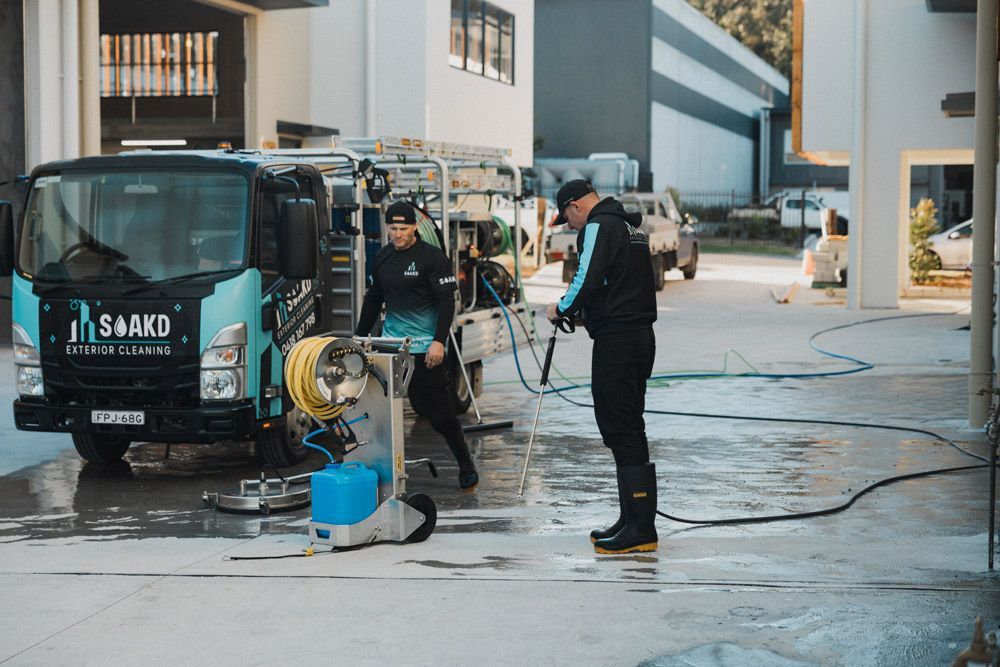
At SOAKD Exterior Cleaning, we assess each surface carefully to determine whether high pressure cleaning or soft washing is the safest and most effective option. If you’re looking for reliable pressure cleaning, contact our team today to protect and refresh your property with confidence.