

How Often Should Roofs Be Cleaned On The Central Coast?
Roofs experience constant exposure to weather, environmental debris and organic growth. Rainfall, wind and surrounding vegetation can gradually leave behind dirt, leaves and residue that accumulate across roofing materials over time. Because roofs are not always visible from ground level, this buildup may develop slowly before homeowners notice any obvious changes.
While many people focus on maintaining visible areas such as gardens, driveways and outdoor spaces, the roof plays an equally important role in the overall condition and appearance of a property. Accumulated debris or organic growth can sometimes affect gutters, roof valleys and surrounding exterior areas.
One of the most common questions homeowners ask is how often their roof should be cleaned. The answer can vary depending on environmental conditions, nearby vegetation and the type of roofing materials used. For those researching roof cleaning central coast, understanding these factors can help determine a suitable cleaning schedule.
Environmental Factors That Influence Roof Cleaning Frequency
The environment surrounding a property has a strong influence on how quickly debris accumulates on a roof. Weather patterns, nearby vegetation and exposure to moisture can all affect how often cleaning may be considered.
In regions where rainfall and humidity are common, organic growth such as moss or algae may appear more frequently on roofing materials. In other situations, dust or debris carried by wind may settle gradually on the roof surface.
Environmental factors that may influence roof cleaning frequency include:
- Regular rainfall that leaves moisture on roof surfaces
- Wind carrying dirt, pollen or environmental debris
- Shaded areas that remain damp for longer periods
- Surrounding vegetation that drops leaves or organic material
These conditions often influence when homeowners consider roof maintenance on the Central Coast as part of property upkeep.
Homes Surrounded by Trees May Require More Frequent Roof Cleaning
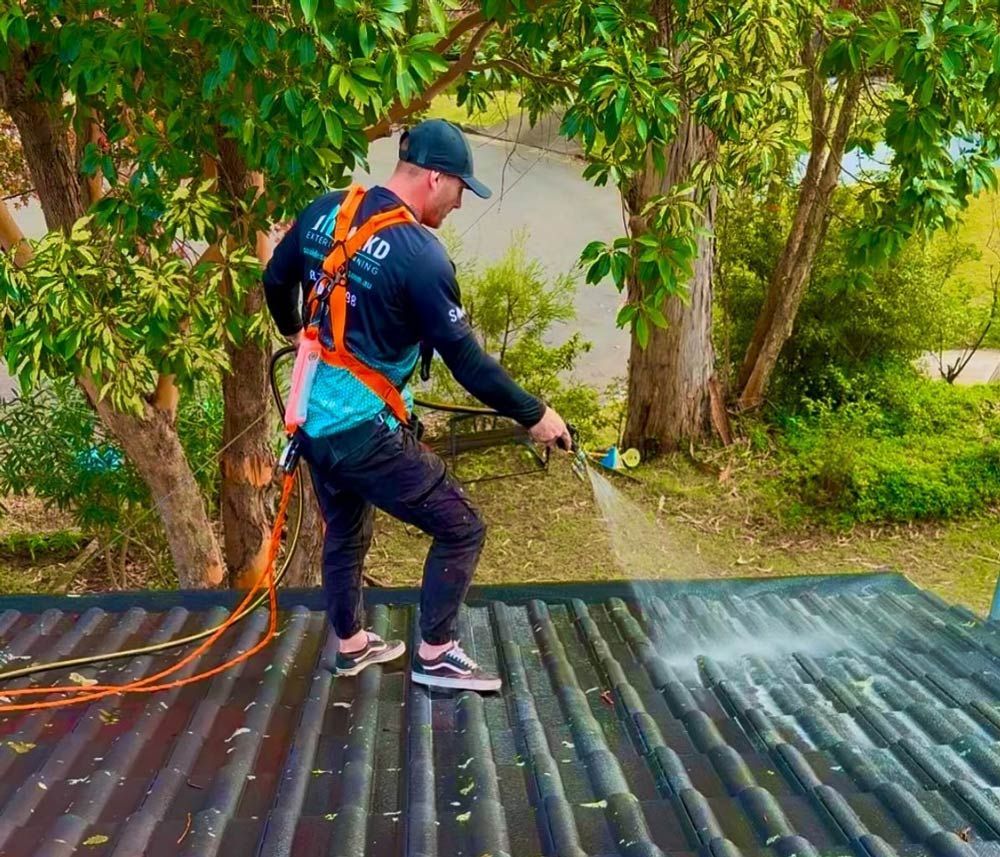
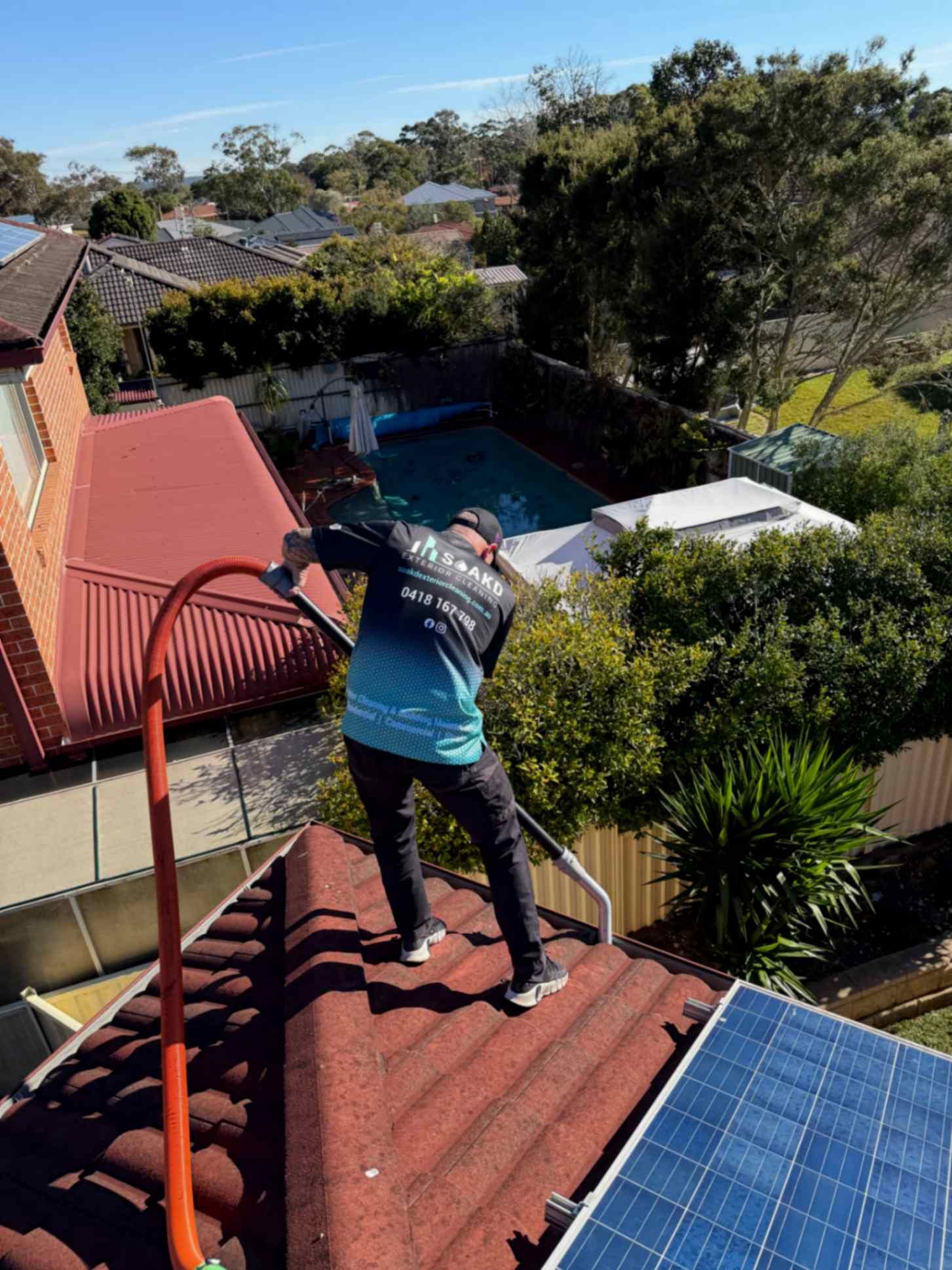
Properties located near trees or dense vegetation often experience faster roof debris accumulation. Leaves, small branches and bark fragments can collect across roofing materials and become trapped in valleys or gutters.
During windy weather or seasonal leaf fall, debris may build up quickly across sections of the roof. If this material remains on the roof after rainfall, it can gradually compact and form layers of organic buildup.
Common debris sources from surrounding trees include:
- Fallen leaves carried by wind
- Bark fragments and small twigs
- Seeds, pollen or organic particles
- Debris that washes into roof valleys during rain
In these environments, homeowners sometimes schedule
Central Coast roof washing services more regularly to remove accumulated debris.
How Coastal Conditions Can Affect Roof Maintenance Needs
Homes located near coastal environments often experience unique weather patterns that can affect exterior surfaces. Salt carried by sea breezes, combined with humidity and wind exposure, can contribute to gradual residue buildup on roofing materials.
These environmental factors may influence how quickly dirt or organic growth appears on the roof surface.
Coastal conditions that may influence roof cleaning frequency include:
- Salt particles carried inland by sea winds
- Moisture from ocean air and seasonal humidity
- Wind-blown sand or fine dust
- Storm conditions that deposit debris on roofs
These conditions are often considered when planning professional roof cleaning on the Central Coast for homes located near coastal areas.
Different Roofing Materials May Require Different Cleaning Intervals
Roofing materials respond differently to environmental exposure. Some materials may collect debris more easily due to their surface texture or design, while others may shed debris more quickly during rainfall.
Understanding the type of roofing material installed on a property can help guide maintenance planning and cleaning schedules.
Common roofing materials that may experience debris buildup include:
- Concrete roof tiles with textured surfaces that trap debris
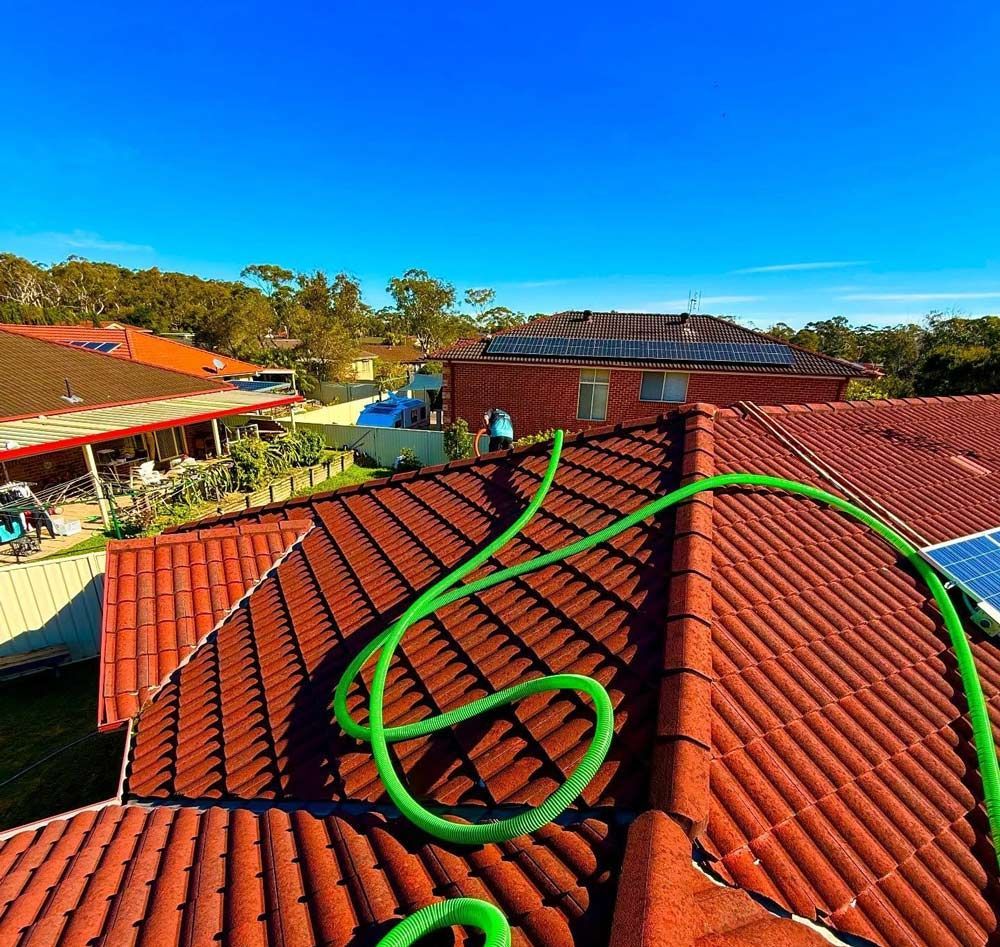
- Terracotta tiles exposed to weather conditions
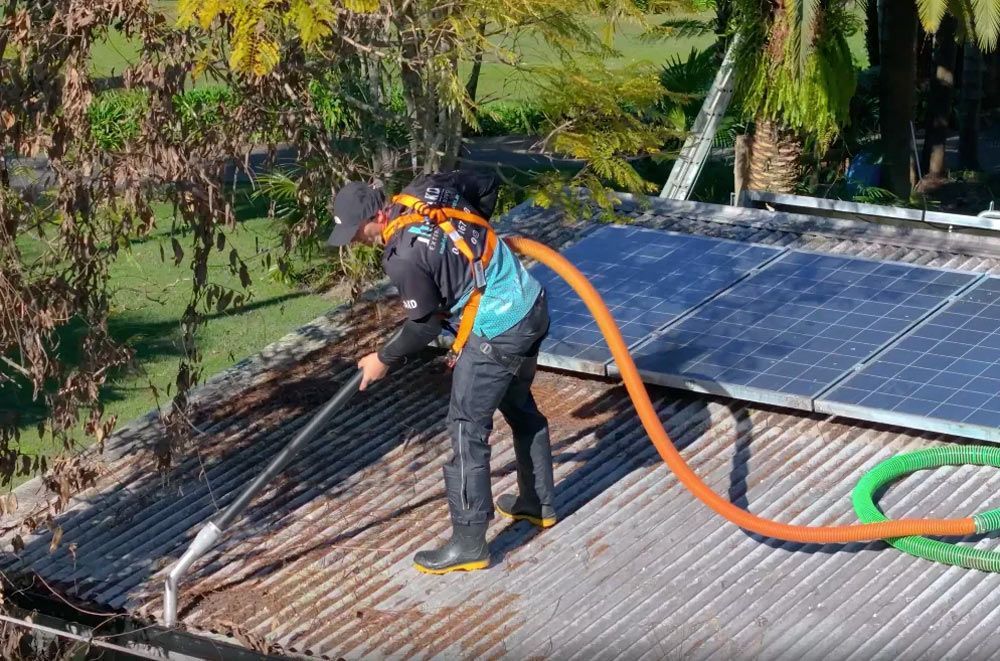
- Metal roofing sheets affected by environmental residue
- Older roofing materials where dirt has accumulated over time
The cleaning approach and frequency may vary depending on the material involved during
roof washing on the Central Coast.
Signs That Indicate a Roof May Need Cleaning Soon
Even without climbing onto the roof, homeowners may notice visible indicators suggesting that cleaning may be considered. Changes in colour or visible debris can often be seen from ground level or nearby windows.
Paying attention to these early signs can help homeowners decide when roof cleaning might be beneficial.
Common visual signs that may indicate roof buildup include:
- Dark streaks or stains appearing across roofing surfaces
- Moss or algae developing between roof tiles
- Leaves or debris visible in roof valleys
- Gutters filling with roof debris after rainfall
When these signs appear, some homeowners explore roof cleaning services across the Central Coast as part of property maintenance.
We at Soakd Exterior Cleaning assist homeowners across the Central Coast with roof and exterior cleaning services. Coastal conditions in this region can contribute to moisture buildup, wind-blown debris and organic growth on roofing materials over time. Periodic inspections and cleaning can help homeowners manage these environmental effects.
If you are looking for roof cleaning Central Coast, professional roof washing Central Coast, or Central Coast roof cleaning services, you can get in touch with our Central Coast roof cleaning specialists to arrange a service.